Dreaming of weekends on the Chain O’ Lakes but not sure if a true lakefront home or a deeded lake-access place fits you best? You are not alone. Many buyers weigh views and private docks against predictable costs and simpler maintenance. In this guide, you will learn the real differences in Fox Lake between lakefront and lake-access, including pricing dynamics, taxes and insurance, upkeep, boating convenience, rental potential, and smart due diligence. Let’s dive in.
Lakefront in Fox Lake: what you own
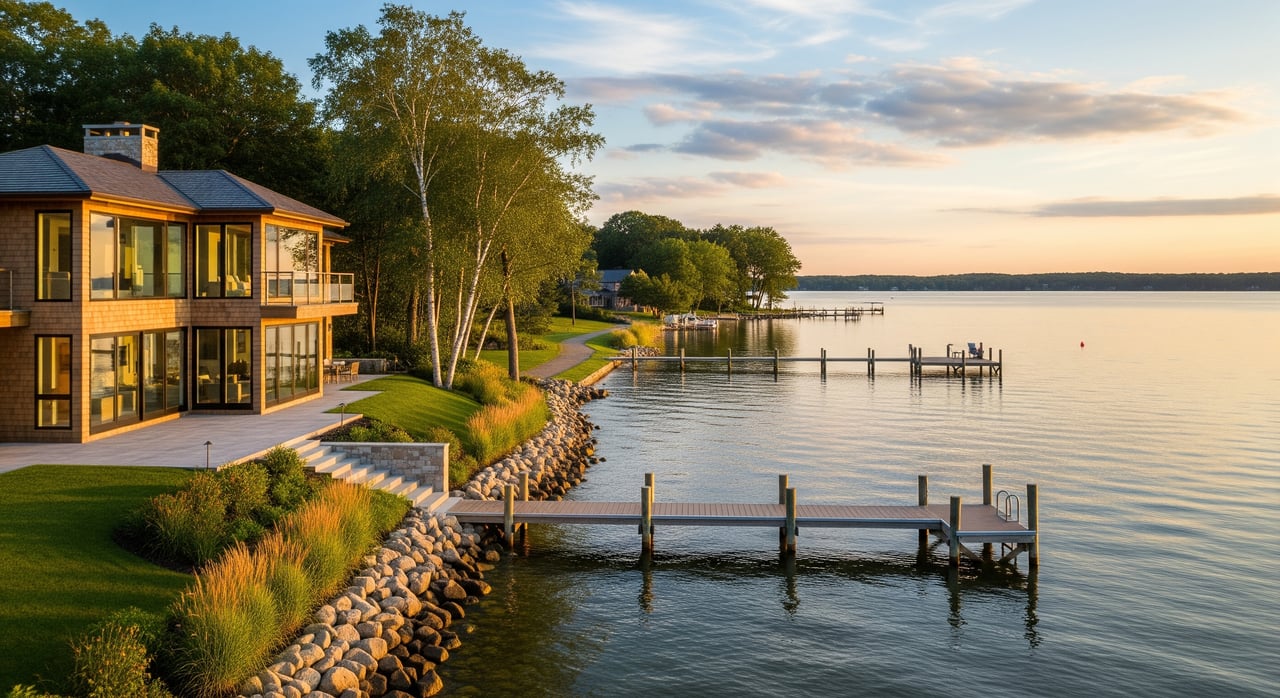
A lakefront parcel typically touches the water and often includes private shoreline and dock rights. In many cases, your deed ties specific riparian or littoral rights to your lot. That can include access to the water, the ability to maintain or replace a dock, and navigation from your shore.
Because these rights vary by deed and jurisdiction, you should confirm exactly what is recorded on the deed or plat. Title documents and municipal rules determine what you can do at the water’s edge.
Riparian rights and dock rules
Your rights are recorded, not assumed. Review the deed, plat, and any permits on file for shoreline structures. Local building departments and state natural resource agencies may require permits for new docks, lifts, or seawalls. If a dock or seawall is older, plan for an inspection and confirm whether replacement or repair needs approval.
Privacy, views, and tradeoffs
Lakefront gives you the most direct views and quickest water access. It can also bring boat traffic, noise, and lights if you sit near a busy channel or popular cove. Water depth at the shoreline matters too. Shallow frontage can limit boat size or navigation during low-water periods.
Lake-access homes: what you share
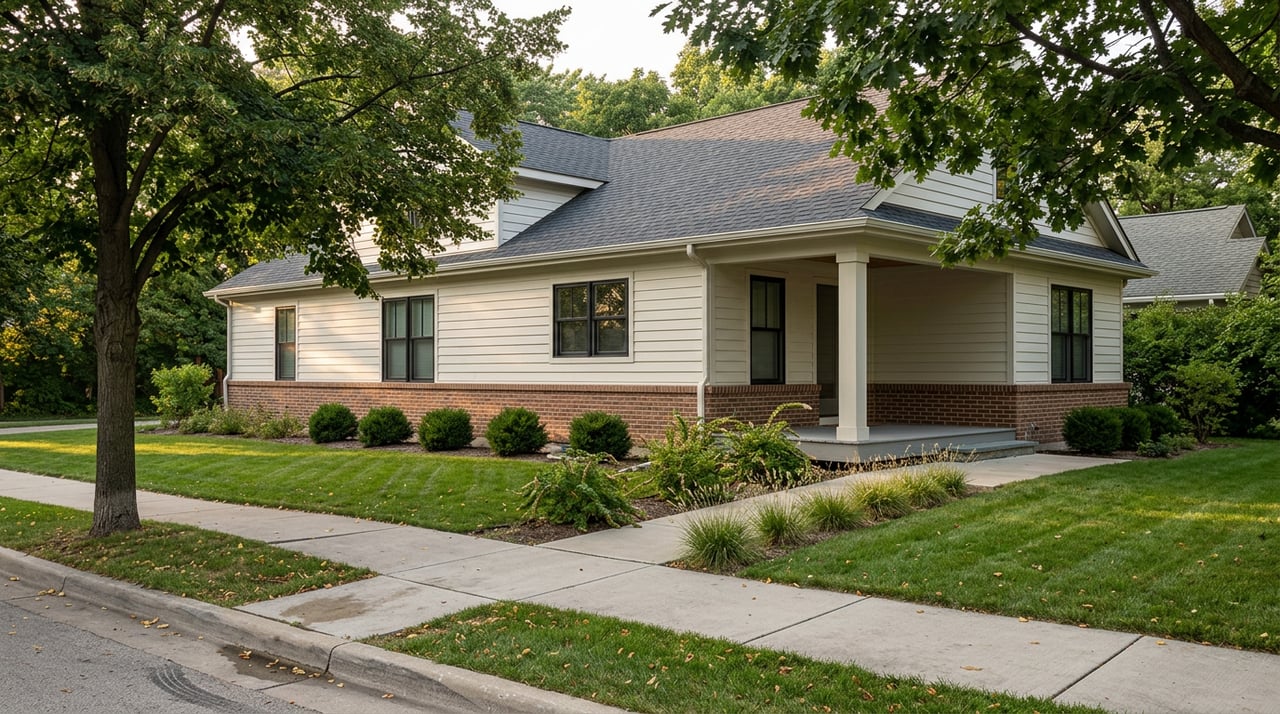
Lake-access properties do not touch the lake but include recorded rights to use a shared access point, dock, or launch. Access may be via a deeded easement, a homeowners association common area, or a community beach or pier. Marina slip rentals are separate and are not guaranteed by a lake-access deed.
Documents to verify
Review the deeded easement or HOA covenants to understand your exact rights and obligations. Confirm whether slips are assigned or rotated, where you can park, guest policies, and how maintenance is funded. Ask for the HOA budget, reserve study, and insurance policies to gauge long-term costs.
Convenience and proximity
Access convenience varies. Some properties are a short walk from an association beach or pier, while others require a quick drive. Make sure you understand the wait list or rotation for slips, any seasonal limits, and whether there is storage for kayaks or paddleboards.
Cost, taxes, financing, and insurance
You can expect lakefront homes to command a significant premium over similar lake-access properties. That premium reflects private shoreline, views, and high demand. The exact difference depends on lot width, water depth, shoreline improvements, and recent sales in Fox Lake and nearby communities. The best way to compare is to review recent local sold comps and days-on-market trends.
Taxes and assessments
Waterfront parcels often carry higher assessed values, which can raise property taxes. Rates vary by county and municipality. Some areas may add special assessments for shoreline or flood-related projects. Confirm your tax jurisdiction and review the parcel’s tax history with the county assessor.
Financing and appraisal
Lenders often use appraisers with waterfront experience because docks, seawalls, and shoreline conditions can materially affect value. If shoreline structures show age or deferred maintenance, an appraiser may adjust value. Some lenders may ask for additional inspections or reserves when there is significant shoreline exposure.
Insurance and flood risk
Many lakefront homes sit in higher flood-risk areas. Depending on elevation, foundation type, and FEMA flood maps, your lender may require flood insurance. Even if not required, it can be prudent to carry. Premiums can also reflect wind and wave exposure, ice damage risk, and liability related to docks. Lake-access homes typically see lower premiums, though shared facilities and proximity can still influence cost. Ask for quotes from carriers familiar with lake properties before you commit.
Maintenance: plan your budget
Maintenance looks different for lakefront and lake-access properties. Lakefront owners shoulder shoreline infrastructure, while lake-access owners often pay predictable HOA dues.
Shoreline infrastructure
If you are lakefront, you are typically responsible for the seawall or bulkhead, erosion control, and shoreline stabilization. Replacement can be a large capital expense and usually requires permits. Plan for periodic inspections and set aside reserves for long-term work.
Docks, lifts, and winterization
Private docks and lifts require upkeep, seasonal removal or protection, and occasional replacement. Winter ice can damage structures, so follow local winterization best practices. Budget for boat and dock service, storage, and labor.
HOA fees vs capital surprises
Lake-access communities may have association dues that cover shared docks, beach upkeep, insurance, and parking areas. These fees are more predictable, but they vary widely. Review the HOA’s budget, reserves, and maintenance schedules so you know what is coming. In contrast, lakefront owners face fewer monthly dues but assume the risk of large, irregular shoreline and dock costs.
Boating and everyday use
Your boating lifestyle is shaped by water depth, access, and local rules on the Chain.
Boat size and water depth
Lakefront homes often let you keep a boat at your own dock if depth allows. Shallow frontage or silting can limit draft and boat size, especially late in the season. Lake-access owners should confirm slip depth, channel clearance, and any size limits posted by the community or marina.
No-wake zones and seasons
Expect no-wake zones, speed limits, and seasonal navigation constraints on the Chain O’ Lakes. County marine patrols enforce safety rules. In winter, ice can block access and may affect shoreline and dock maintenance.
Privacy and crowds
Lakefront offers the most private at-home experience, but you may see more boat traffic if you face a busy stretch. Lake-access can mean a quieter home setting, although shared launches and beaches may feel busy on peak weekends.
Rentals and investment
Both lakefront and lake-access homes can work as lifestyle purchases with some rental offset, but rules and seasonality matter.
Demand and seasonality
Waterfront draws strong interest in peak season. Shoulder months and winter tend to see softer demand. Model cash flow across the full year and include higher maintenance, insurance, and turnover costs that come with waterfront use.
Rules and permits
Municipal ordinances and HOA covenants may restrict or regulate short-term rentals. Some require registration, inspections, or local lodging tax collection. Always confirm village or county regulations and association rules before you buy.
Income potential vs costs
Lakefront properties can command higher nightly rates but also carry higher upkeep and insurance. Lake-access homes with well-managed amenities can attract renters at lower price points and with less maintenance risk. If you plan to rent, consider local property managers with waterfront experience.
Due diligence for Fox Lake buyers
Buying near the water adds a few extra steps. Here is a focused checklist to help you compare homes confidently:
- Deed, plat, and recorded easements: Verify riparian or littoral rights, access easements, and any use restrictions or shared maintenance.
- Parcel jurisdiction: Confirm county, municipality, and taxing districts. This affects permits, taxes, and rental rules.
- Shoreline structures: Inspect docks, lifts, seawalls, and erosion control. Ask for permits and repair histories.
- Flood zone and elevation: Review FEMA flood maps and request an Elevation Certificate if available.
- Septic or sewer: Check county health department records for system type, age, and any required upgrades.
- HOA documents: Request bylaws, covenants, budgets, reserve studies, insurance, slip assignment rules, and rental restrictions.
- Comparable sales: Use recent local sold comps to gauge the lakefront premium and days on market.
- Short-term rental rules: Confirm current municipal and county regulations and any required registrations.
- Water depth and navigation: Ask for depth at the shoreline or slip, channel clearance, and known restrictions.
- Water quality and lake management: Review local lake association updates on aquatic vegetation and invasive species.
- Insurance quotes: Get homeowner, flood, and dock liability quotes from carriers experienced with lake properties.
- Lender expectations: Clarify appraisal and any reserve or inspection requirements related to shoreline structures.
Which one fits your goals?
Choose lakefront if you want instant boating and the strongest views, and you are comfortable budgeting for shoreline and dock responsibilities. You are paying for exclusive access and convenience, along with higher insurance and variable capital costs.
Choose deeded or association lake-access if you want lower purchase price, more predictable monthly costs, and a quieter home base, and you are satisfied with shared docks or marinas. Make sure you like the access rules, slip availability, and parking setup.
If you are torn, tour a few of each. Stand on the shoreline and at the shared pier. Note the water depth, boat traffic, and travel time from the home to the dock. Then compare total ownership cost, not just the purchase price.
Ready to explore Fox Lake options with a local, hands-on advisor who understands both Illinois and Wisconsin lake markets? Reach out to Dana Pierson-Emering to see active listings, review comps, and map a plan that fits your lifestyle and budget.
FAQs
What do you actually own with “lakefront” in Fox Lake?
- You typically own a parcel that touches the water with recorded shoreline and potential dock rights, but you should verify exact riparian or littoral rights on the deed and plat.
How much more do lakefront homes cost than lake-access?
- Lakefront usually carries a significant premium, but it varies by lot, depth, and improvements, so rely on recent local sold comps rather than a fixed percentage.
Who pays for seawall or dock repairs on lakefront property?
- The lakefront owner is usually responsible for private shoreline and dock maintenance, while association docks for lake-access homes are funded per HOA documents.
Can you use Fox Lake homes for short-term rentals?
- Possibly, but municipal and HOA rules may restrict or require permits and tax collection, so confirm regulations with the village or county and your association.
What permits are needed for new or replacement docks?
- Expect to contact the local building department and, in some cases, state natural resource agencies for required permits before you build or replace shoreline structures.
Does a small lakefront lot limit boat size at the dock?
- Boat size depends on water depth at your shoreline and navigable channels, so confirm depth, clearance, and any posted restrictions before you buy or upgrade a boat.