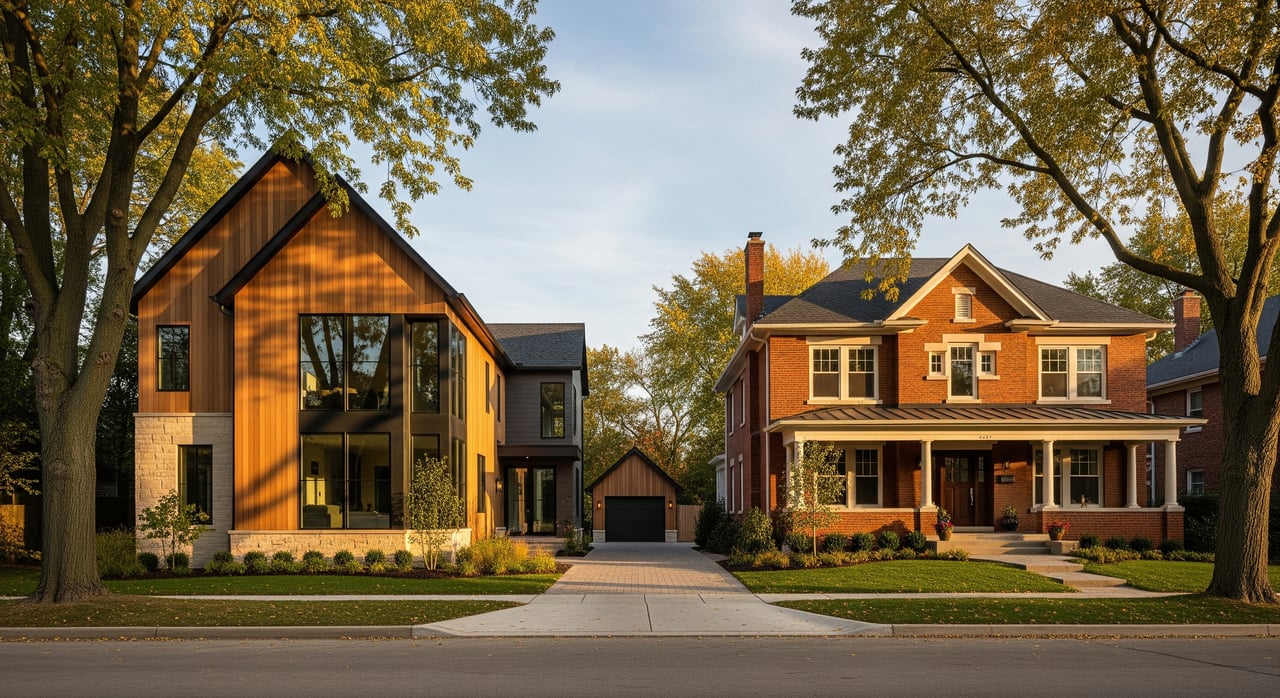
Are you torn between a brand-new home and an established resale in McHenry? You want the right fit for your budget, your timeline, and your day-to-day life. The good news is that you can make a clear, confident choice once you understand how costs, timelines, warranties, and neighborhoods differ.
This guide breaks down what matters most in McHenry so you can compare new construction and resale homes side by side. You will learn how to estimate true costs, what to expect from the process, and where expert representation makes a difference. Let’s dive in.
How to frame the choice in McHenry
Start with your priorities. If you want modern layouts, efficient systems, and low maintenance in the first few years, new construction may be appealing. If you value mature streets, established services, and predictable resale trends, a resale home may fit better.
In McHenry, also consider property taxes, HOA requirements, and local infrastructure. Confirm parcel details and current assessments with the McHenry County government so you can factor taxes and any special service areas into your budget.
Price and total cost in the first 5–10 years
New construction cost factors
- Builders often price a base model, then charge for lot premiums and design center upgrades. Incentives like closing cost credits or rate buydowns can change your true out-of-pocket cost.
- Property taxes may be assessed differently on a new build as improvements are added, so plan for changes in the first years after completion.
- HOA fees are common in new communities and can cover amenities, grounds, and private roads. Add these to your monthly budget.
- New systems and better insulation usually mean lower maintenance and energy costs early on.
Resale cost factors
- Purchase price may be lower per square foot for older homes. You might also gain value from mature landscaping and established services.
- Budget for near-term capital items like roof, HVAC, or windows depending on age and condition.
- Insurance costs can be higher if systems are dated. Factor in energy use if insulation and windows are older.
- Property taxes may be more predictable in established neighborhoods, but still verify current assessments and any reassessments.
What to compare line by line
- Base price vs. upgrade package total on a new build
- Estimated property taxes and any special assessments
- HOA fees and what they include
- Insurance quotes for each property type
- Five-year maintenance and energy allowances
For tax and assessment questions, consult the McHenry County government for parcel records and recent updates.
Timeline and closing logistics
New build timing
New construction takes longer and can shift with weather, material lead times, and inspections. Your builder may set separate dates for lot purchase, construction milestones, and final closing. Review delay clauses and any remedies in writing.
Financing can involve construction-to-permanent loans with staged draws, which adds lender inspections and timing choices. The Consumer Financial Protection Bureau offers helpful guidance on construction loans and how rate locks work over longer timelines.
Resale timing
Resale closings are typically faster. Most buyers close in 30 to 45 days, depending on loan type, appraisal, title, and inspection repairs. If you need a defined move-in date, resale often gives you more certainty.
Warranties and protections
What you typically get with a new build
Many builders follow a 1-2-10 model that covers workmanship for 1 year, systems for 2 years, and major structural components for 10 years. Read the warranty scope, response times, and claim process before you sign. You can learn about common warranty structures from the National Association of Home Builders and providers like 2-10 Home Buyers Warranty.
Check for arbitration clauses and whether the builder uses a third-party warranty provider. Make sure you know how to file a claim and what is excluded.
What protects you on a resale
Resale buyers rely on inspections, seller disclosures, and contract contingencies. You can also negotiate a limited home warranty for the first year. Your independent inspector helps you understand current condition and near-term costs.
Neighborhood maturity and daily life
Newer subdivisions can offer modern floor plans, fresh finishes, and sometimes community amenities. Early on, retail, services, and street tree canopy may be developing. School boundaries and traffic patterns may also evolve as the area grows.
Established neighborhoods usually provide immediate access to existing parks, shopping, and roads, plus mature landscaping. In McHenry, think about routes like US‑14 and IL‑31, as well as regional commuting options. If you plan to commute, confirm drive times and public transit availability that match your schedule.
Resale value and liquidity
With new construction, day-one premiums can compress short-term resale returns if you plan to move within a few years. Over time, efficient systems and modern layouts can be attractive to future buyers. With resale, values are tied to existing comparables in the neighborhood, which can make pricing and timing more predictable.
Your best move is to look at recent local comps for both paths and your likely hold period. This helps you weigh short-term equity risk against long-term comfort and efficiency.
Contracts and representation
Builder contracts vs. standard forms
Builder contracts are long and builder-friendly. Key items to review include deposit structure and refundability, upgrade pricing and change orders, construction delay language, warranty terms, dispute resolution, and financing requirements. Some builders encourage or incentivize use of a preferred lender, so compare the net benefit before you commit.
Resale contracts usually include broader contingencies for inspections and appraisal, with clearer timelines and remedies. You generally have more flexibility on closing and negotiation points.
Where a trusted pro adds value
An experienced agent helps you compare options, negotiate incentives, and protect your rights in both new and resale deals. If anything is unclear, consider a contract review with a local real estate attorney. For information on agency and licensing in Illinois, see the Illinois Department of Financial and Professional Regulation. For buyer advocacy guidance, the National Association of REALTORS provides consumer resources you can reference.
Inspections and due diligence
New construction inspections that pay off
Schedule independent inspections at key stages, such as pre‑drywall and final walkthrough, so you can document items while walls are open and before closing. Even with a warranty, third-party inspections help you get timely fixes and stronger documentation. The American Society of Home Inspectors and InterNACHI offer checklists and best practices.
Resale inspections and targeted tests
Order a comprehensive home inspection and add specific tests as needed, such as radon, sewer scope, or roof evaluation. In older homes, confirm permits for additions, review past repairs, and verify easements and lot lines with a current survey.
Quick McHenry buyer checklist
- Compare new-build base pricing and upgrade totals to similar resale homes in your target area.
- Request the builder contract early and have your agent and, if needed, an attorney review deposit, change orders, and delay clauses before paying any fee.
- Confirm who provides the new-home warranty, how to file claims, and what is excluded. Ask for it in writing.
- Plan for independent inspections. For new builds, add pre‑drywall and final inspections. For resale, include a full inspection and targeted tests.
- Verify property taxes, assessments, and parcel details with the McHenry County government.
- Ask for HOA budgets and rules in any community with an association.
- Get builder timelines in writing, including estimated closing and what happens if delays occur.
- Compare lender offers, including any builder incentives, by total cost over the first 5 to 7 years.
- Make sure every upgrade and incentive appears on the final closing statement.
Ready to compare homes?
Whether you lean new construction for low maintenance or resale for location and maturity, the right plan saves time and money. If you want a clear side-by-side comparison, unbiased contract guidance, and a smooth path to closing, let’s talk. Connect with Dana Pierson-Emering to start your search or request a tailored pricing and cost-of-ownership review.
FAQs
What are the biggest cost differences between new construction and resale in McHenry?
- New builds often have higher base prices plus upgrade and HOA costs, while resales can require near-term replacements; compare taxes, HOA fees, maintenance, and energy use over 5 to 10 years.
How long does a new build in McHenry usually take to complete?
- Timelines vary by builder, weather, materials, and permits; expect a longer, less predictable schedule than a resale, and confirm delay language and remedies in your contract.
Do I still need a home inspection on new construction?
- Yes, independent pre‑drywall and final inspections help you catch issues early, document them for warranty claims, and confirm quality before closing.
What does a typical new-home warranty cover?
- Many builders use a 1‑2‑10 structure that covers workmanship, major systems, and structural components on different timelines; read the provider’s scope and claims process.
Can I use my own lender if the builder offers incentives?
- Usually yes, but incentives may be tied to a preferred lender; compare total cost, rate lock options, and fees before deciding.
How is a builder contract different from a standard resale contract?
- Builder forms often limit contingencies, set nonrefundable deposits, include arbitration, and define strict change-order processes; resale contracts typically offer broader inspection and appraisal protections.