Imagine pulling into town on a Friday, rolling down the windows, and feeling the breeze off Geneva Lake. If you have been thinking about a weekend place, Lake Geneva offers that classic Midwestern retreat feel with an easy drive and plenty to do. You want to know what daily life is like, how the seasons flow, and what it really costs to own. This guide walks you through lifestyle, property options, rules, and practical steps so you can buy with confidence. Let’s dive in.
Life on Geneva Lake by season
Spring and summer
Spring and summer are prime time for boat days, paddleboarding, and lakeside dinners. Weekends can be lively around the City of Lake Geneva’s downtown, with quieter weekdays outside of late July and August. You might split time between the water, the farmers’ market, and simple yard or garden upkeep. If you keep a boat, plan for marina logistics and routine seasonal maintenance.
Fall
Fall brings colorful foliage, calmer streets, and a slower pace across the shoreline towns, including Fontana and Williams Bay. You will find culinary and wine events along with crisp days for the Shore Path or scenic cruising. Many owners handle yard cleanup and begin preparing their homes and boats for winter. It is also a good time to schedule repairs while demand is lighter.
Winter
The lake routinely freezes in colder months, and the area hosts winter festivities and outdoor fun. Some cottages are used seasonally while others are set up for year‑round comfort. Expect to winterize boats, plumbing, and pumps if you close up for the season. Weekends can still feel festive, but overall activity is quieter.
Property options and feel
Lakefront estates and cottages
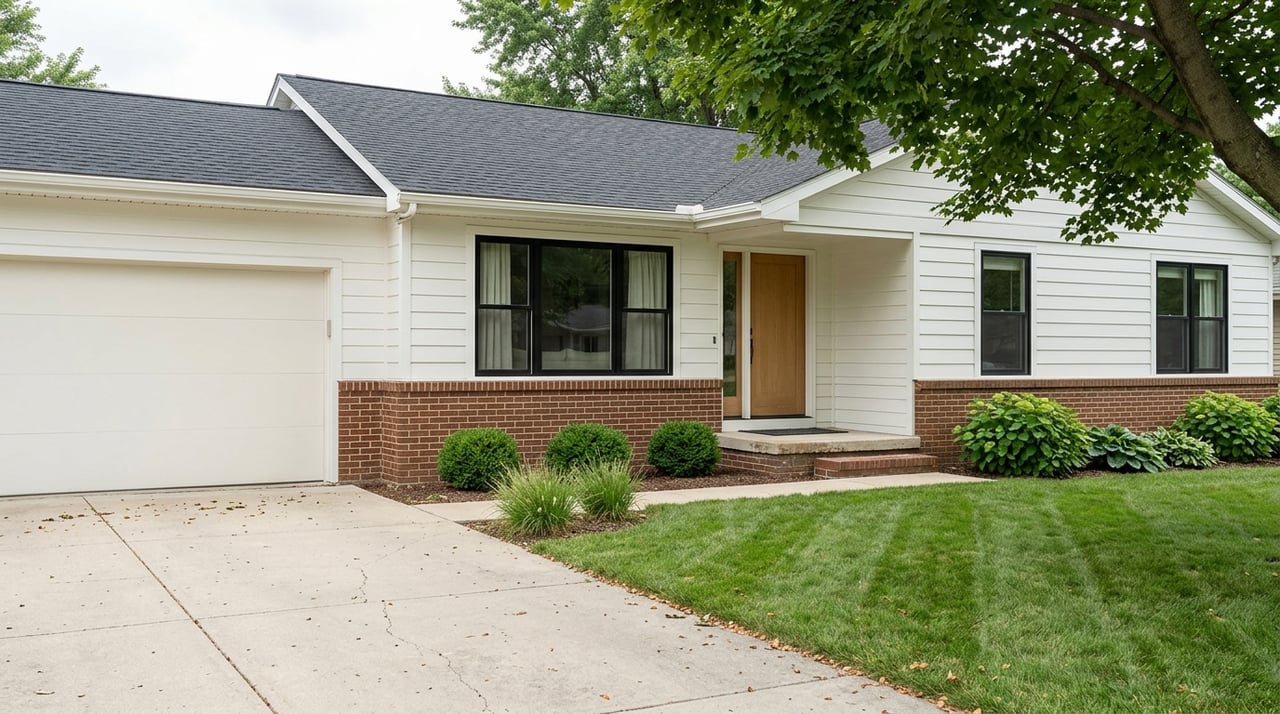
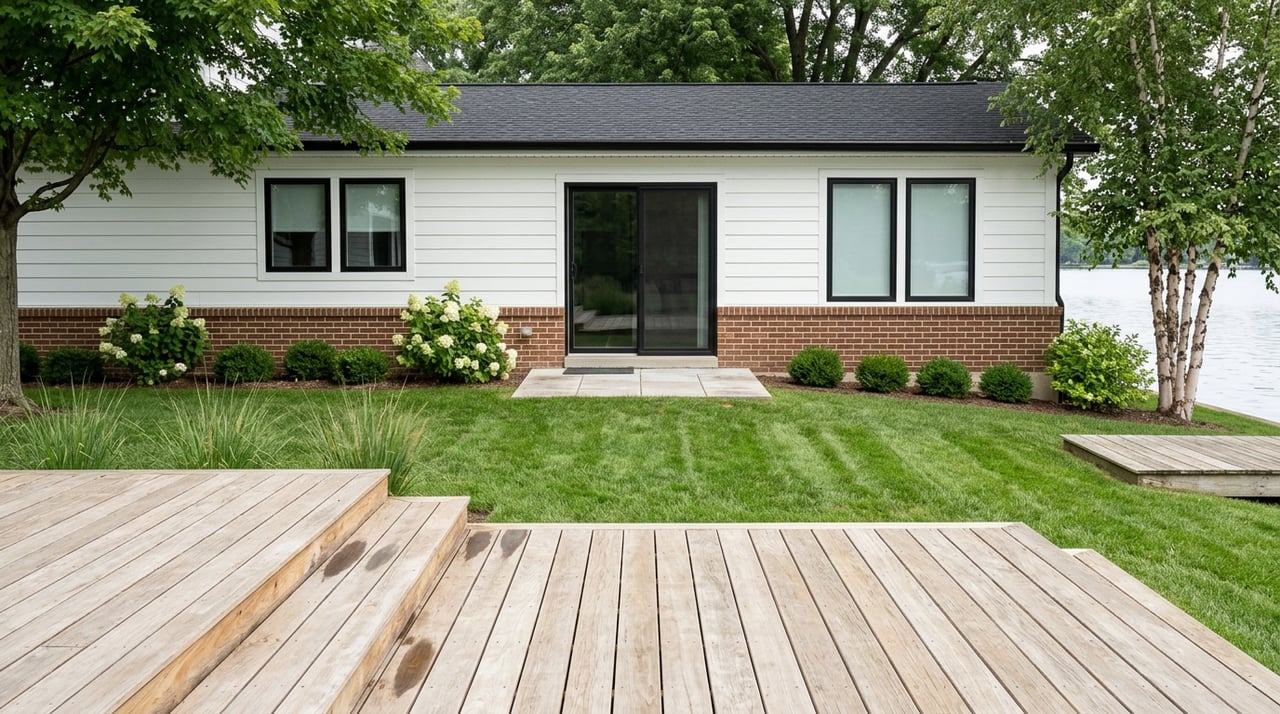
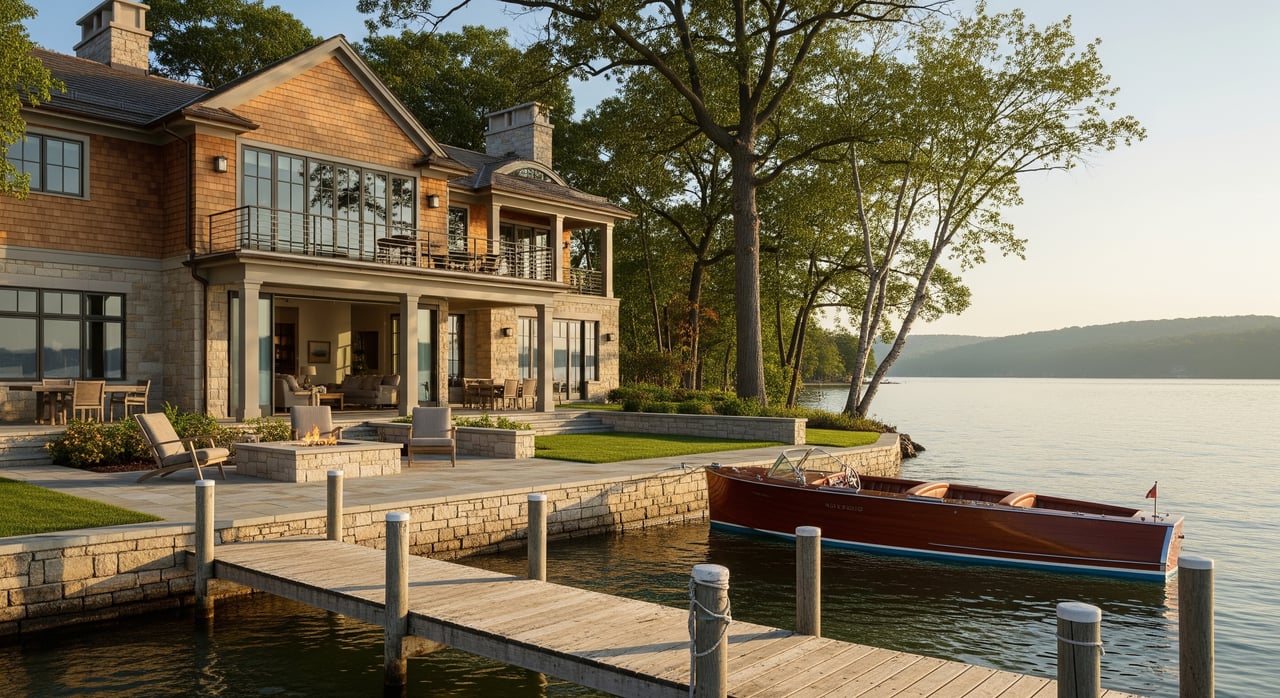
Along the shoreline you will see historic estates, renovated and original cottages, and single‑family homes on smaller lots. Many lakefront homes feature lawns that meet the water, private docks, and sometimes boathouses. Lakefront properties tend to command the highest prices, and demand is strongest in spring and summer.
Condos and townhomes
You can also find condos and townhomes in and near downtown Lake Geneva and in resort areas. These appeal if you want lower maintenance or to be close to dining, shopping, and services. Some buildings offer amenities and proximity to marinas.
Inland homes
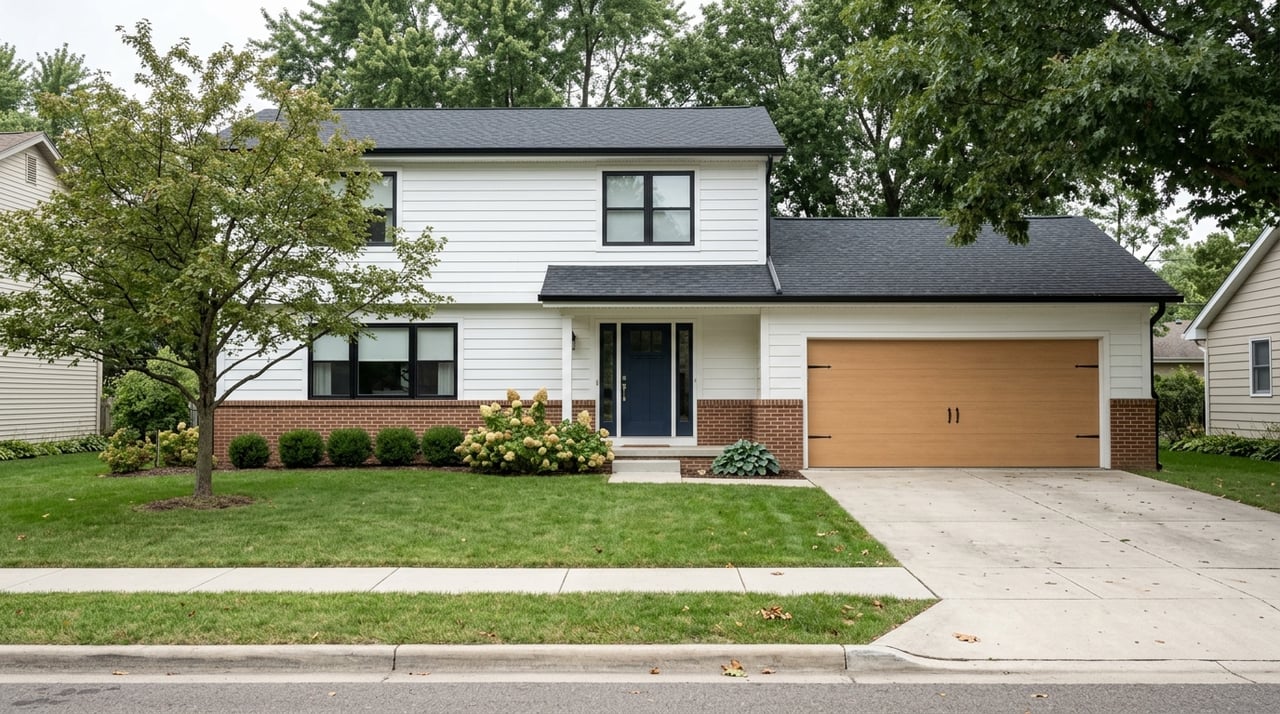
Interior properties in town or nearby rural areas offer more budget range while keeping you close to the lake scene. Inland homes can be convenient to groceries, cafes, and year‑round services. You still get access to local beaches, parks, and the broader lake lifestyle.
Getting here and getting around
Most owners drive from the Chicago area in about 1.5 to 2 hours depending on traffic. From the northern suburbs the drive is typically shorter. O’Hare and Milwaukee’s General Mitchell Airport are about 1 to 1.5 hours by car depending on route and traffic. There is no direct commuter rail to Lake Geneva, so plan around car travel or seasonal coach services.
Boating, beaches, and the Shore Path
Boating is central here, from water skiing and wakeboarding to sailing, kayaking, and pontoon cruising. Public and private marinas, boat launches, and slip rentals are concentrated near downtown Lake Geneva, Fontana, and Williams Bay. The lake also offers public beaches and Big Foot Beach State Park for swimming, picnicking, and camping. If you boat, follow Wisconsin DNR rules and any local speed or no‑wake zones noted by municipalities and posted on the water.
The Geneva Lake Shore Path is a continuous walking path that traces most of the shoreline. It passes near private properties but is a long‑standing public amenity with historical roots. If you are buying lakefront, review your survey and local guidance so you understand any Shore Path easement and where the path sits relative to your lot.
Costs and ownership realities
Owning a retreat brings ongoing costs that vary by property type and location. Expect property taxes, utilities, landscaping, and routine maintenance to scale with the size and age of the home. Many owners also budget for dock upkeep, marina slip fees, and periodic shoreline work. If the property is on a private septic system rather than municipal sewer, plan for inspections and regular service.
Insurance deserves extra attention on or near the water. Depending on your location, flood insurance may be recommended, and wind or hail coverage can be important. Historic cottages often require more frequent maintenance and capital updates. Winterization is another annual task if you will not occupy the home in colder months.
Renting your retreat
Short‑term rental rules vary by municipality around Geneva Lake. Before you buy, check local ordinances for licensing, occupancy, and lodging tax requirements in the City of Lake Geneva, Fontana, or Williams Bay. Confirm any condo or HOA rules that might limit rentals. If rental income is part of your plan, make sure your lender, insurer, and local code all align with your intended use.
Permits, shoreline work, and environmental notes
Shoreline projects such as docks, boathouses, seawalls, and major landscaping may require municipal, county, or state permits. If wetlands or sensitive shoreline areas are involved, the Wisconsin DNR may be part of the process. Include permit history and compliance in your due diligence. The lake is monitored for water quality and aquatic invasive species; follow local boat inspection guidance and best practices to help keep the water healthy.
Smart buyer checklist
Use this quick list to move from curiosity to confident ownership:
- Visit in multiple seasons to gauge traffic, noise, and winter access.
- Confirm sewer or septic status and review recent service records.
- Request a survey if unclear and identify any Shore Path or other easements.
- Ask about marina slip availability, transfer rules, costs, and waitlists.
- Check municipal short‑term rental rules along with any HOA or condo restrictions.
- Get insurance quotes, including flood or specialized lakefront coverage if applicable.
- Budget for dock and shoreline maintenance along with winterization services.
- Plan full inspections, including structure, roof, HVAC, and septic when applicable.
How a local advisor helps
Buying at the lake blends lifestyle goals with unique logistics. You want pricing guidance that reflects micro‑location, orientation, and lake access, plus a clear plan for inspections, permits, and marina options. With a marketing background and deep experience serving Chicago‑area clients who buy in southern Wisconsin, you get hands‑on support from search through closing. If you decide to sell later, you benefit from polished presentation and broad digital and luxury‑channel exposure.
Ready to explore Lake Geneva ownership with a clear plan and a local‑informed approach? Connect with Dana Pierson‑Emering to start your lake search the right way.
FAQs
How long is the drive from Chicago to Lake Geneva?
- Most owners plan on about 1.5 to 2 hours by car depending on traffic; O’Hare and Milwaukee’s General Mitchell Airport are roughly 1 to 1.5 hours by car, and there is no direct commuter rail.
What ongoing costs should I expect for a Lake Geneva retreat?
- Budget for property taxes, utilities, landscaping, dock or slip fees, septic or sewer costs, insurance that may include flood or wind and hail, plus winterization and routine maintenance.
Can I rent my Lake Geneva home short term?
- Short‑term rentals exist, but rules and licensing vary by municipality; confirm local ordinances, occupancy limits, and lodging taxes, and review any condo or HOA restrictions before you buy.
Does Geneva Lake freeze, and can I use my home year‑round?
- The lake routinely freezes in colder months; some owners use homes seasonally while others live there year‑round, but winterization is important if the home will be vacant.
What should I know about the Geneva Lake Shore Path and privacy?
- The Shore Path is a long‑standing public walking path around the lake that may pass near private property, so review surveys and local guidance to understand easements and boundaries.
How hard is it to get a boat slip on Geneva Lake?
- Public and private marinas serve the lake, and many have waitlists for slips; ask about availability, costs, rules, and any transfer options tied to your property or association.