If you’re thinking about trading Chicago’s density for more space, Lake Forest may feel like a natural next step. You still stay connected to the city, but your day-to-day life can look very different once you arrive. From housing and commuting to shopping and pace of life, knowing what changes ahead of time can help you make a smarter move. Let’s dive in.
Lake Forest Feels Different From Day One
Lake Forest sits about 30 miles north of downtown Chicago along Lake Michigan’s North Shore. Its eastern edge includes more than three miles of shoreline and more than a half-mile of public beach, with Forest Park above the beach and additional preserved lakefront and open-space areas nearby.
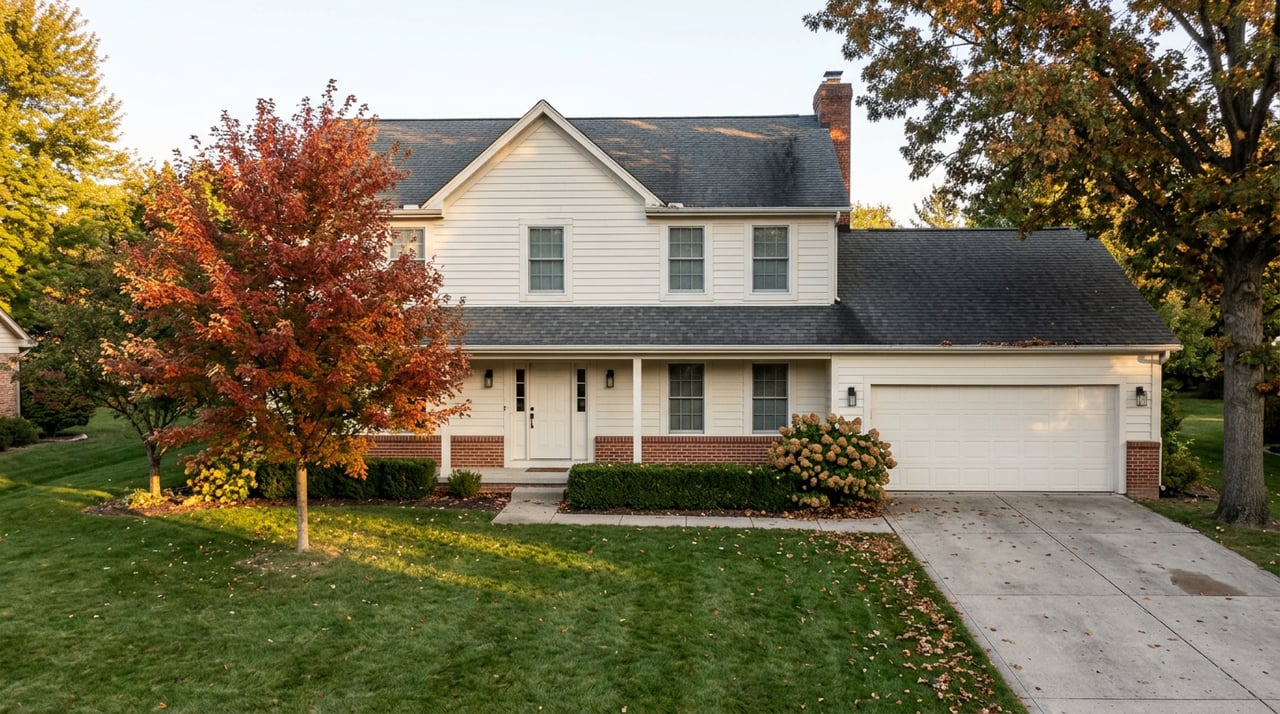
That setting creates a very different first impression than Chicago. Instead of a dense urban grid, you’ll find a lower-density community with more open space, more residential privacy, and a stronger single-family home presence.
The numbers help show that shift. Lake Forest had a 2020 Census population of 19,367, compared with Chicago’s 2,746,388. Lake Forest also has an 88.8% owner-occupied housing rate, while Chicago’s owner-occupied rate is 46.0%.
Expect a More Ownership-Focused Market
One of the biggest adjustments is the housing market itself. Lake Forest is much more owner-dominated, and the cost of entry is significantly higher than many Chicago buyers are used to.
According to the U.S. Census, Lake Forest’s median household income is $235,081 and its median owner-occupied home value is $938,300. In Chicago, the comparable figures are a median household income of $77,902 and a median home value of $334,100.
For many buyers, this means your move is not just about changing location. It is also about stepping into a market where homeownership, long-term living, and larger financial commitments are more common.
Housing in Lake Forest Offers More Space
If you’re moving from a condo, apartment, or smaller city home, Lake Forest’s housing stock may feel notably roomier. CMAP data show that 76.6% of Lake Forest housing units are single-family detached, compared with 25.6% in Chicago.
The typical home profile also looks different. In Lake Forest, the median year built is 1976 and the median home has 10 rooms. In Chicago, the median year built is 1953 and the median home has 4.7 rooms.
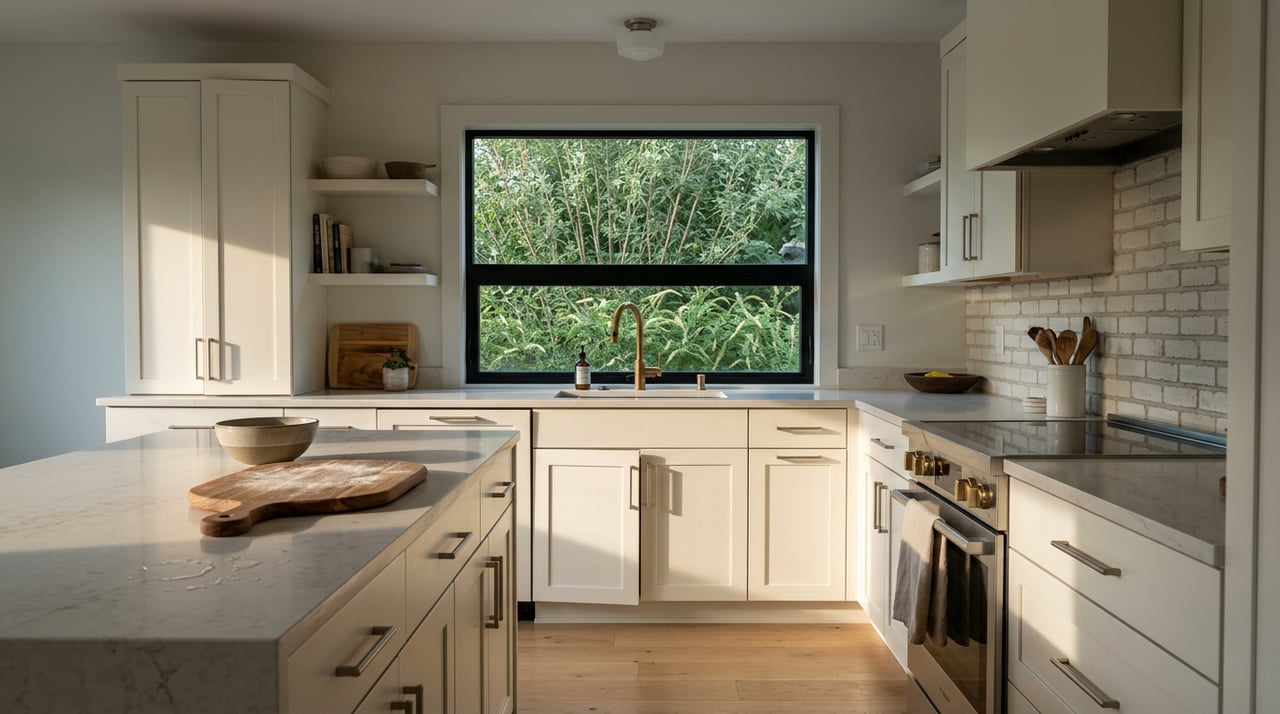
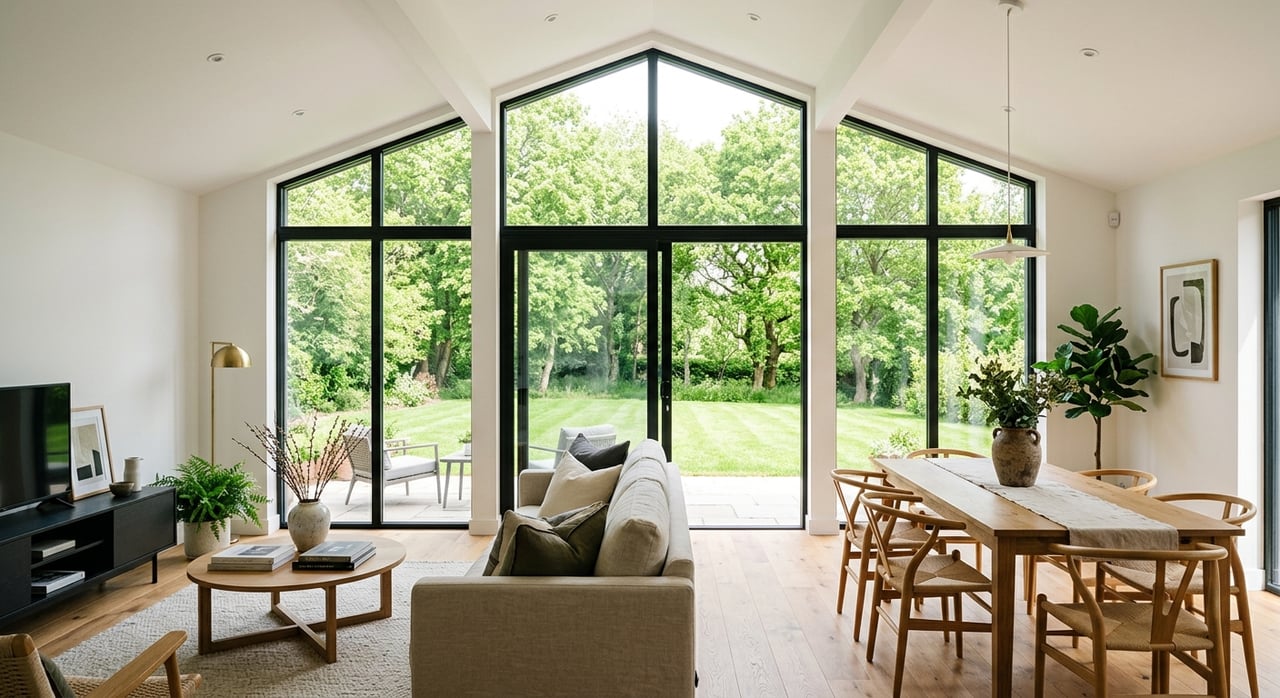
In practical terms, that often means more square footage, more dedicated rooms, more yard space, and a more private residential feel. It can be a major lifestyle upgrade if you want extra room for working from home, hosting, hobbies, or simply spreading out.
Apartment Living Is Less Common
Lake Forest has far less large-building housing than Chicago. Only 12.6% of Lake Forest housing units are in structures with five or more units, while 27.0% of Chicago housing units are in structures with 20 or more units.
So if you are used to elevator buildings, shared walls, and dense blocks of multifamily housing, Lake Forest will likely feel much quieter and more spread out. That change appeals to many relocators who want a calmer residential setting.
Neighborhood Character Varies More Than You Might Expect
Lake Forest is often associated with large estates and lakefront homes, but the housing mix is broader than that image suggests. The city describes estate homes, outbuildings, and former summer homes and gentlemen’s farms that have been reused as homes, schools, and community facilities.
At the same time, the city notes that expansive lakefront homes can sit only blocks from more conventional small-lot neighborhoods. West Lake Forest developed largely with single-family homes, yards, tree-lined streets, and open space, while areas closer to downtown include a broader mix of housing.
That variety matters if you are relocating from Chicago. You may be able to find a setting that fits your lifestyle, whether you want a more traditional neighborhood pattern, proximity to town, or a more private property.
Architecture Has a Distinctive Look
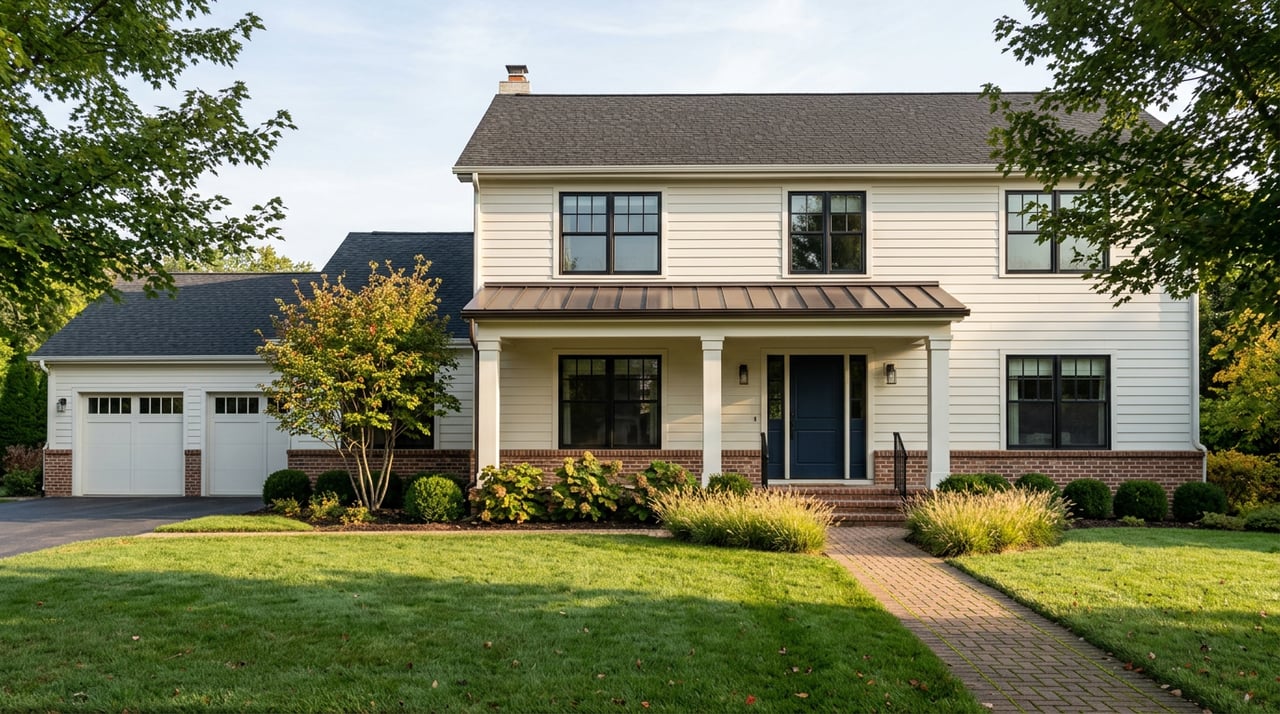
Lake Forest does not follow one uniform suburban style. The local history museum documents homes and estates in Queen Anne, Colonial Revival, Tudor, Jacobean, Mediterranean, and related revival styles.
That architectural range gives the community a more established and distinctive feel. For buyers coming from the city, it can feel less like a cookie-cutter suburb and more like a place with visible design history and long-term character.
Privacy Is Part of the Lifestyle
Local building review rules reinforce the area’s more private feel. The city requires setbacks to be met or exceeded, encourages screening for driveways and parking, supports landscaping preservation, and promotes building layouts that maximize distance from neighboring properties.
For you, that often translates into more buffer between homes and a quieter environment overall. If privacy is one of the reasons you are leaving Chicago, this can be one of the most noticeable benefits of the move.
Your Commute May Change More Than Your Commute Time
A move to Lake Forest does not mean losing your connection to Chicago. The city’s western boundary is I-94, U.S. 41 provides direct access to the Edens and Kennedy expressways and downtown Chicago, and Waukegan Road connects to employment centers and commercial areas.
Lake Forest is also served by Metra on both the Union Pacific North line and the Milwaukee District North line. That means downtown access remains part of daily life for many residents.
What often changes is not the overall commute length, but the way you commute. CMAP reports a mean commute time of 31.3 minutes in Lake Forest versus 33.1 minutes in Chicago.
You Will Likely Rely More on a Car
Mode of travel shifts once you move north. In Lake Forest, 46.1% of workers drive alone, 12.3% use transit, 6.3% walk or bike, and 30.3% work from home.
In Chicago, 44.7% drive alone, 17.7% use transit, 7.2% walk or bike, and 21.0% work from home. In plain terms, Lake Forest tends to be more car- and rail-centered, while Chicago offers a broader CTA-based pattern.
If you currently depend on walking or transit for most errands and appointments, this is a key adjustment to plan for. You may find that everyday life in Lake Forest requires more driving, even if downtown access still feels manageable.
Daily Life Moves at a Slower Rhythm
One of the biggest non-financial changes is pace. Chicago offers near-constant motion, dense retail corridors, and lots of choices close together. Lake Forest keeps local conveniences, but the rhythm is more measured.
The city describes Market Square as the core of its central business district and the first planned shopping center in the United States. The surrounding area includes boutique retail, national chains, restaurants, banks, real estate offices, the commuter train station, City Hall, and the Post Office.
This creates a compact town-center experience rather than a dense urban commercial grid. It is designed to be walkable and welcoming, with space for people to gather, linger, eat, shop, and socialize.
Errands Are Still Practical
Lake Forest is not just scenic or residential. The Waukegan Road and Settlers’ Square business district includes a grocery store, restaurants, banks, medical and dental providers, and educational support services.
That matters if you are worried suburban life will feel inconvenient. While the retail mix is smaller and more curated than Chicago’s, daily errands can still be handled locally.
Residents Use and Value the Local Business Districts
The city’s 2023 community survey offers useful insight into how people live in Lake Forest. Eighty percent of respondents said they shop or dine in Lake Forest at least weekly.
Survey respondents also highlighted unique shops and dining, stores that meet daily needs, walkability, outdoor eating and gathering spaces, parking, historic character, and community events as important features. That suggests a community where the local core is part of everyday life, not just a backdrop.
For someone moving from Chicago, that can be reassuring. You may give up some variety and immediacy, but you still gain a recognizable town center with regular day-to-day use.
What Will Feel Familiar and What Will Feel New
Some parts of the move will feel familiar right away. You still have lakefront geography, rail access, and a clear connection to downtown Chicago.
What will feel new is the overall living pattern. Lake Forest is more ownership-focused, more single-family oriented, more private, and more shaped by open space.
If your goal is to stay connected to Chicago while gaining more room and a calmer daily rhythm, Lake Forest can offer that balance. The key is understanding that this is not just a new address. It is a different way of living.
If you’re planning a move from Chicago to the North Shore, working with a local expert can make the transition much easier. Dana Pierson-Emering offers hands-on guidance for relocators who want clear advice, neighborhood insight, and attentive support from search to closing.
FAQs
What is the biggest lifestyle change when moving from Chicago to Lake Forest?
- The biggest change is usually moving from a dense, urban environment into a lower-density community with more single-family homes, more privacy, more open space, and a slower day-to-day rhythm.
How far is Lake Forest from downtown Chicago?
- Lake Forest is about 30 miles north of downtown Chicago on Lake Michigan’s North Shore.
Is commuting from Lake Forest to Chicago realistic?
- Yes. Lake Forest has access to I-94, U.S. 41, Waukegan Road, and Metra service on both the Union Pacific North and Milwaukee District North lines.
What kind of homes are common in Lake Forest?
- Single-family detached homes are most common in Lake Forest, making up 76.6% of the housing stock according to CMAP.
Will Lake Forest feel less walkable than Chicago?
- In many ways, yes. Lake Forest has walkable business districts, but daily life is generally more car- and rail-centered than Chicago.
Does Lake Forest have a real downtown area?
- Yes. Market Square serves as the city’s central business district and includes shopping, dining, commuter rail access, and other everyday services.
Is Lake Forest only made up of large estate homes?
- No. Lake Forest includes estate properties, but it also has more conventional small-lot neighborhoods and a broader mix of housing near downtown.
What should Chicago buyers prepare for financially in Lake Forest?
- Buyers should prepare for a higher-cost housing market, with a median owner-occupied home value of $938,300 in Lake Forest compared with $334,100 in Chicago.