Thinking about trading Chicago density for more space in Glenview? You are not alone, and it is a move that can feel exciting and a little overwhelming at the same time. If you are weighing home prices, commute options, neighborhoods, and the timing of selling in the city while buying in the suburbs, this guide will help you understand what to expect so you can plan with confidence. Let’s dive in.
How Glenview Feels Different From Chicago
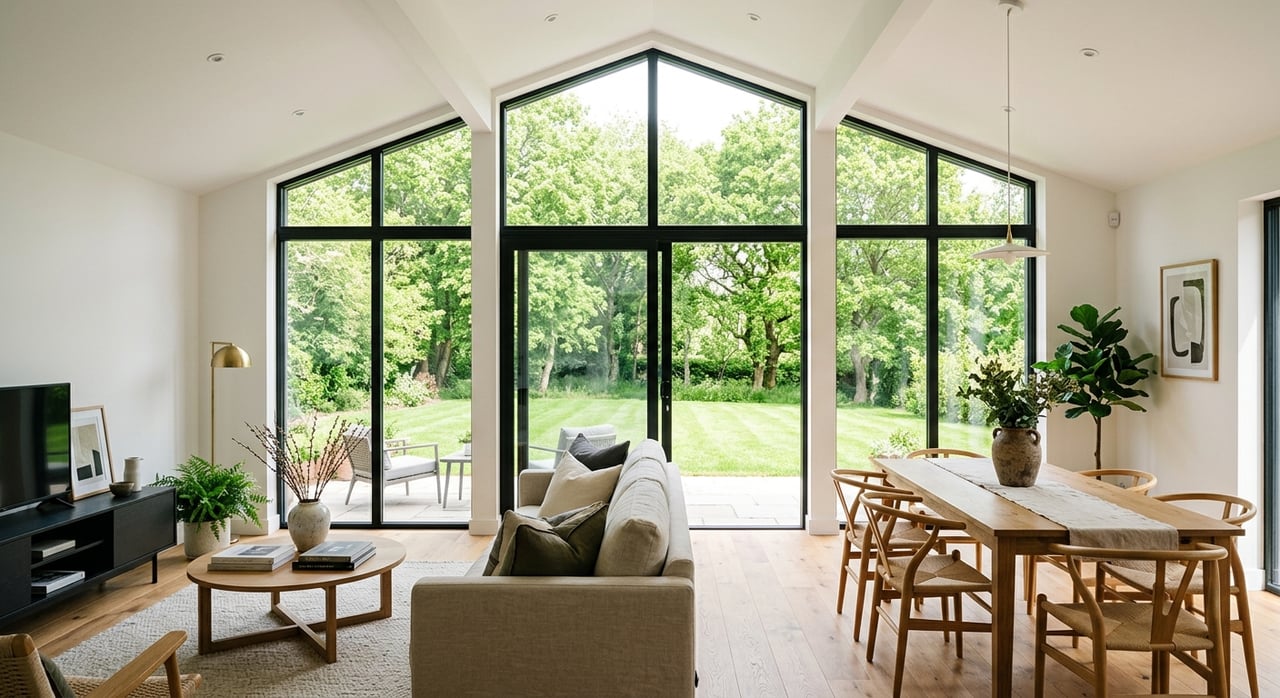
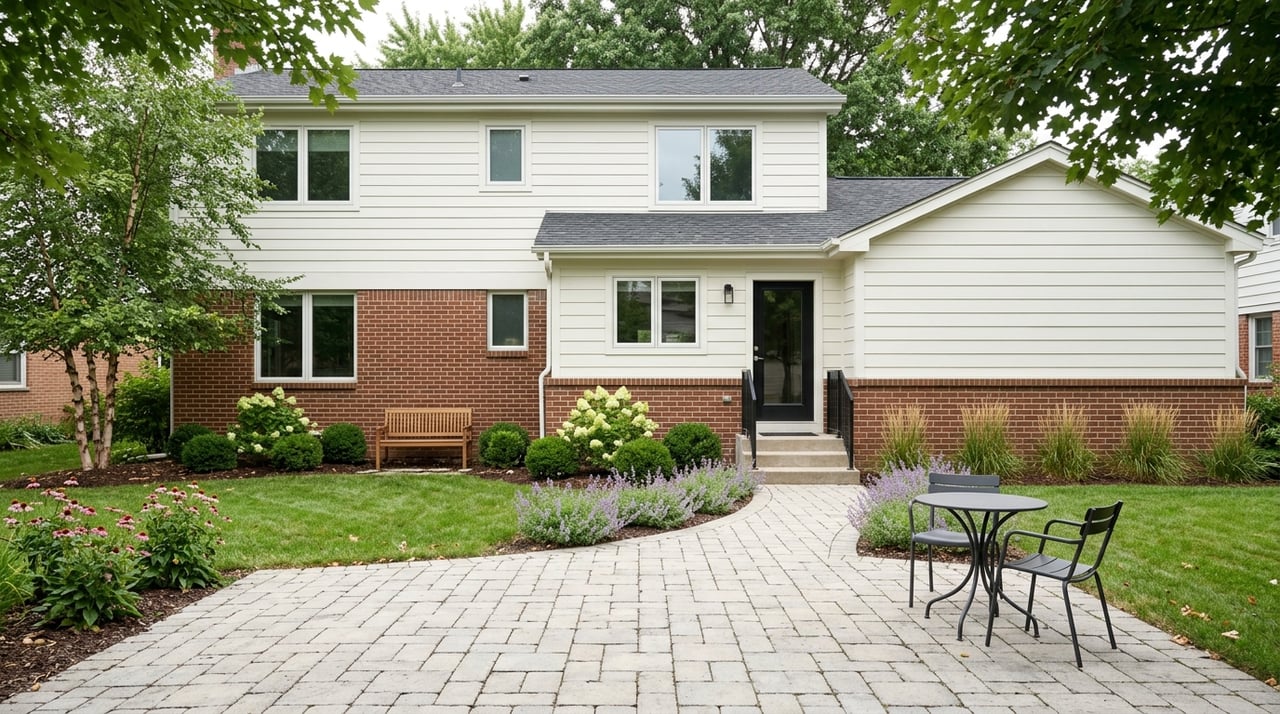
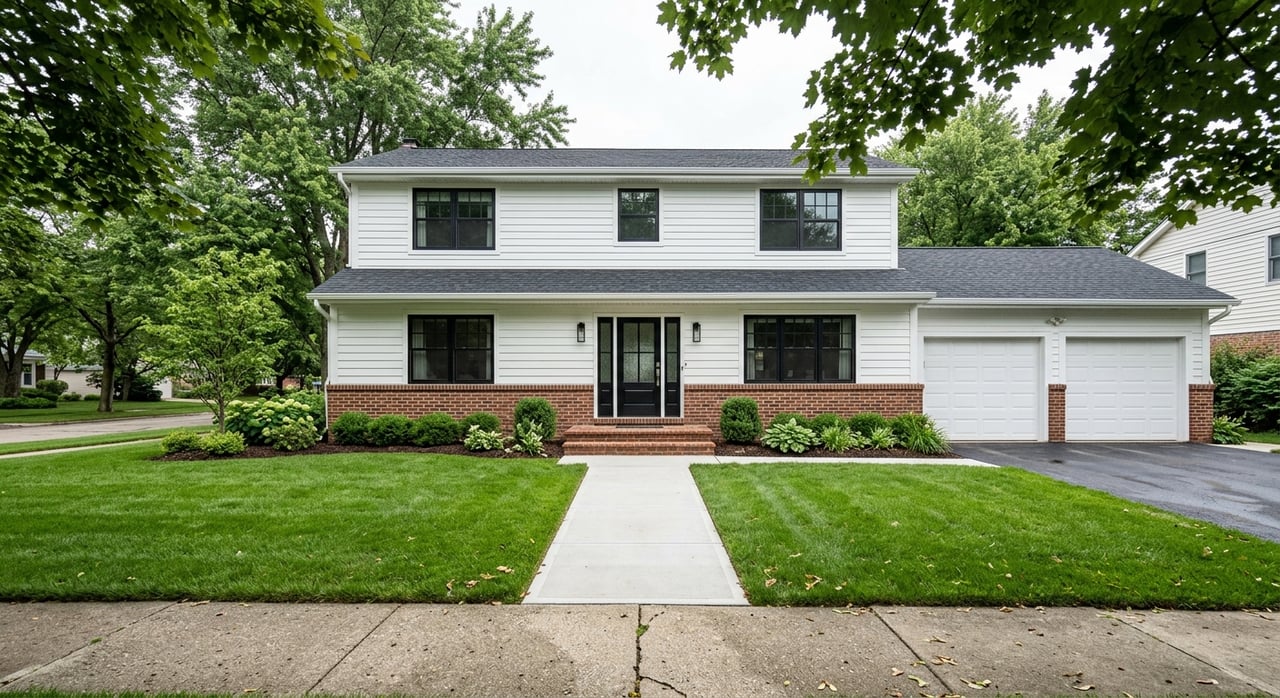
One of the biggest changes you will notice is the overall pace and layout of daily life. According to the U.S. Census QuickFacts for Glenview and Chicago, Glenview has a population density of 3,478.7 people per square mile, compared with 12,059.8 in Chicago. In practical terms, that usually translates to more breathing room, more detached homes, and more private outdoor space.
You will also be moving into a community with a much higher owner-occupancy rate. The same Census data shows Glenview at 78.9% owner-occupied, compared with 46.0% in Chicago. That often shapes the housing stock, streetscape, and the kind of long-term ownership patterns buyers see when searching in the village.
That said, Glenview is not just one type of suburb. Areas like The Glen Town Center add a more mixed-use feel with retail, restaurants, apartments, office space, and entertainment, while other parts of the village are more traditional single-family neighborhoods. If you are moving from a walkable Chicago neighborhood and do not want a full lifestyle reset, that mix matters.
What Housing Costs Look Like
For most buyers, the biggest adjustment is price. Current data points all support the same conclusion: Glenview is materially more expensive than Chicago overall. Redfin’s Chicago housing market data shows a median sale price of $389,500 in February 2026, while Realtor.com’s Glenview overview shows a current median home price of $707,500, and MRED’s February 2026 Glenview report places the median sales price at $870,000.
Because those numbers come from different data sets, it is smarter to focus on the pattern than one exact figure. If you are moving from Chicago to Glenview, you should plan for a meaningful increase in purchase price. That shift can affect your down payment, monthly payment, cash reserves, and what trade-offs make sense in your home search.
Ownership costs also run higher. Census data shows Glenview’s median monthly owner cost with a mortgage is $3,269, compared with $2,339 in Chicago. Even median gross rent is higher in Glenview at $2,148 versus $1,440 in Chicago, which is helpful to know if you are considering a short-term rental during your move.
Why Glenview Is Not One Uniform Market
A common mistake is treating Glenview like one single housing market. In reality, different parts of the village can feel very different depending on housing style, inventory, and nearby amenities. That is especially important if you are trying to recreate parts of your Chicago lifestyle while still gaining more space.
Realtor.com’s Glenview market overview highlights this clearly. The Glen is shown around $775,000 with a limited number of homes for sale, while Downtown Glenview has a very small number of homes for sale and rentals. That tells you two things quickly: inventory can be tight, and your experience may vary a lot from one pocket of Glenview to another.
If you want a more suburban setting, some areas may offer the larger-lot, detached-home feel you are picturing. If you still want easy access to dining, errands, and a slightly more urban rhythm, The Glen or parts of downtown may be worth a closer look. The right fit depends on how you want your days to work, not just your square footage goals.
Commute Options From Glenview
If you will still be working in or regularly traveling to Chicago, commute planning should be part of your home search from day one. Glenview sits about 20 miles north of downtown Chicago and is positioned between I-94 and I-294, which gives you multiple driving routes depending on where you need to go. That flexibility is one reason many city-to-suburb buyers keep Glenview on their shortlist.
The village also offers solid rail access. According to the Village of Glenview visitor and transportation information, Metra’s Milwaukee North line serves Glenview at two stations: downtown Glenview at 1116 Depot Street and the Glen of North Glenview at 3000 Old Willow Road. The village notes an average commute of about 30 to 35 minutes.
For added convenience, the Metra Stations Guide lists both Glenview stations on the Milwaukee District North Line and marks both as fully accessible. Downtown Glenview also serves as an Amtrak stop, with the village noting six daily Hiawatha stops and twice-daily Empire Builder service. Pace routes 210, 422, and 423 also serve the area.
Parking matters too if you plan to commute by rail. The village states that both train stations have adjacent commuter parking, with daily parking at $2 per day and permit options available monthly, semi-annually, and annually. It is worth noting that purchasing a commuter parking permit does not guarantee a spot, so this is something to factor into your routine.
Schools and District Boundaries
If school planning is part of your move, Glenview requires a little extra homework because attendance can be highly address-specific. The Village of Glenview schools page lists multiple public school districts that serve the community, including Glenview District 34, Glenbrook High School District 225, Avoca 37, Wilmette 39, West Northfield 31, Northbrook 30, Maine Township High School District 207, New Trier High School District 203, and East Maine 63.
That means two homes with the same Glenview mailing address may not always map to the same schools. Before you write an offer, you will want to verify district assignment for that exact property. This is especially important if schools are one of your top filters and you are comparing several areas within the village.
For general district structure, Glenview School District 34 is a K through 8 district with schools split across grade bands, and Glenbrook South High School says it primarily serves Glenview as part of District 225. The school and district websites are the best source for confirming current details tied to a specific address.
Parks, Recreation, and Daily Amenities
One of the biggest lifestyle perks of moving to Glenview is access to parks, open space, and recreation. The Glenview Park District says it manages more than 850 acres of parkland and open space, along with 12 major facilities, 26 parks, 13 fieldhouses, and 12.6 miles of walking trails. If outdoor access is part of why you are leaving the city, that is a meaningful part of the value here.
The Grove is one standout, covering 150 acres and carrying National Historic Landmark designation. The park district also identifies Flick Park as 39 acres and Willow Park as 7.5 acres. For many buyers, these kinds of amenities shape daily life just as much as the home itself.
For errands, dining, and entertainment, the village highlights destinations that include The Glen Town Center, downtown Glenview, Carillon Square, Glen Oak Plaza, Patriot Marketplace, Glenbrook Marketplace, Glen Gate, The Shops at Glen Pointe, and Abt Appliances and Electronics. In other words, suburban does not mean inconvenient. It simply means your retail and recreation pattern may look a little different than it did in Chicago.
Timing a Chicago Sale With a Glenview Purchase
This is where city-to-suburb moves can get tricky. Glenview is currently a tighter market than Chicago overall, so buyers who need to sell first should expect less flexibility than they might in a slower environment. Planning the two sides together can save you stress, money, and rushed decisions.
Realtor.com describes Glenview as a seller’s market, with a median days on market of 27 and a 100% sale-to-list ratio. By comparison, Redfin shows Chicago as somewhat competitive, with homes taking about 69 days to sell and averaging about three offers. MRED’s February 2026 Glenview report also showed just 29 homes for sale and an average market time of 41 days, reinforcing the limited-inventory picture.
What does that mean for you? If you need proceeds from your Chicago home to buy in Glenview, your timeline and offer strategy matter a lot. In a market like this, practical planning may include a strong pre-approval, a clearly defined sale timeline, a short-term rental option, a rent-back arrangement, or another bridge between transactions.
Smart Steps Before You Move
A smoother move usually starts with clear priorities. Before you tour homes, it helps to define what matters most in your next chapter.
Consider these questions:
- Do you want a classic suburban single-family setting, or a more mixed-use area like The Glen?
- How much of a monthly payment increase feels comfortable?
- Will you commute daily, occasionally, or mostly work from home?
- Do you need to align your search with a specific property address and district assignment?
- Will you need to sell your Chicago home before you buy?
- Would temporary housing make your move less stressful if timing gets tight?
When you answer those questions early, you can search more efficiently and make decisions faster when the right home appears. That is especially useful in a market where inventory can be limited and neighborhood differences matter.
What Buyers Should Expect Overall
Moving from Chicago to Glenview is usually about more than changing zip codes. It is a lifestyle shift that often brings more space, more ownership-driven housing, more park access, and a different daily rhythm. At the same time, it usually comes with higher home prices, higher monthly ownership costs, and a market that may move faster than you expect.
The good news is that Glenview offers a range of living experiences within one village, from traditional residential areas to more amenity-rich pockets like The Glen and downtown. If you approach the move with a realistic budget, a commute plan, and a strong strategy for coordinating your sale and purchase, you can make the transition with far more confidence.
If you are planning a move from Chicago to Glenview, working with an experienced local advisor can help you narrow your options, understand the market, and coordinate the timing from start to finish. To start your search or get a personalized home valuation, connect with Dana Pierson-Emering.
FAQs
What should buyers know about Glenview home prices compared with Chicago?
- Glenview is generally more expensive than Chicago overall, with current sources showing a clear step up in both home prices and monthly ownership costs.
What should Chicago buyers know about commuting from Glenview?
- Glenview offers access to I-94, I-294, two Metra stations on the Milwaukee District North Line, downtown Amtrak service, and Pace bus routes, with the village citing a roughly 30 to 35 minute Metra commute.
What should buyers know about Glenview school boundaries?
- Glenview is served by multiple public school districts, and school assignment is address-specific, so you should verify district details for any property you are considering.
What should buyers know about Glenview neighborhoods and housing styles?
- Glenview includes both traditional suburban single-family areas and more mixed-use pockets like The Glen and downtown, so your lifestyle preferences should guide where you focus.
What should buyers know about timing a Chicago sale before buying in Glenview?
- Because Glenview is a tighter seller’s market than Chicago overall, buyers who need to sell first should plan carefully around financing, timing, and possible temporary housing options.