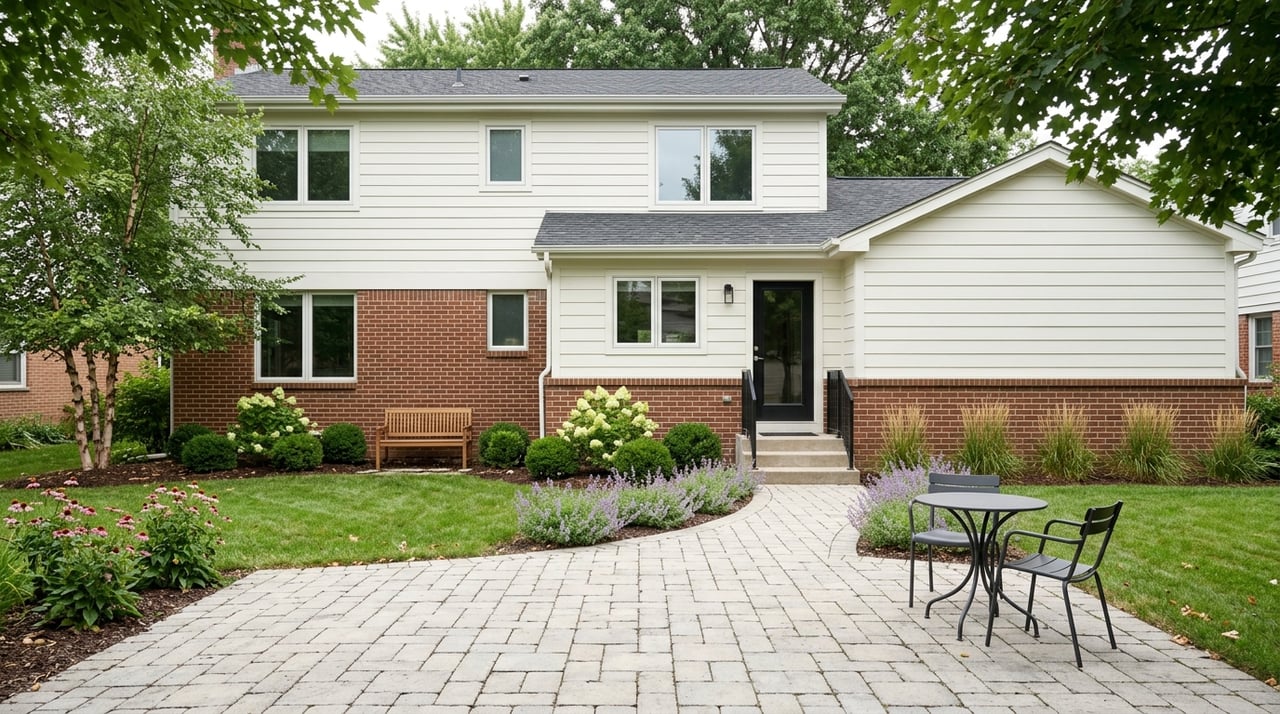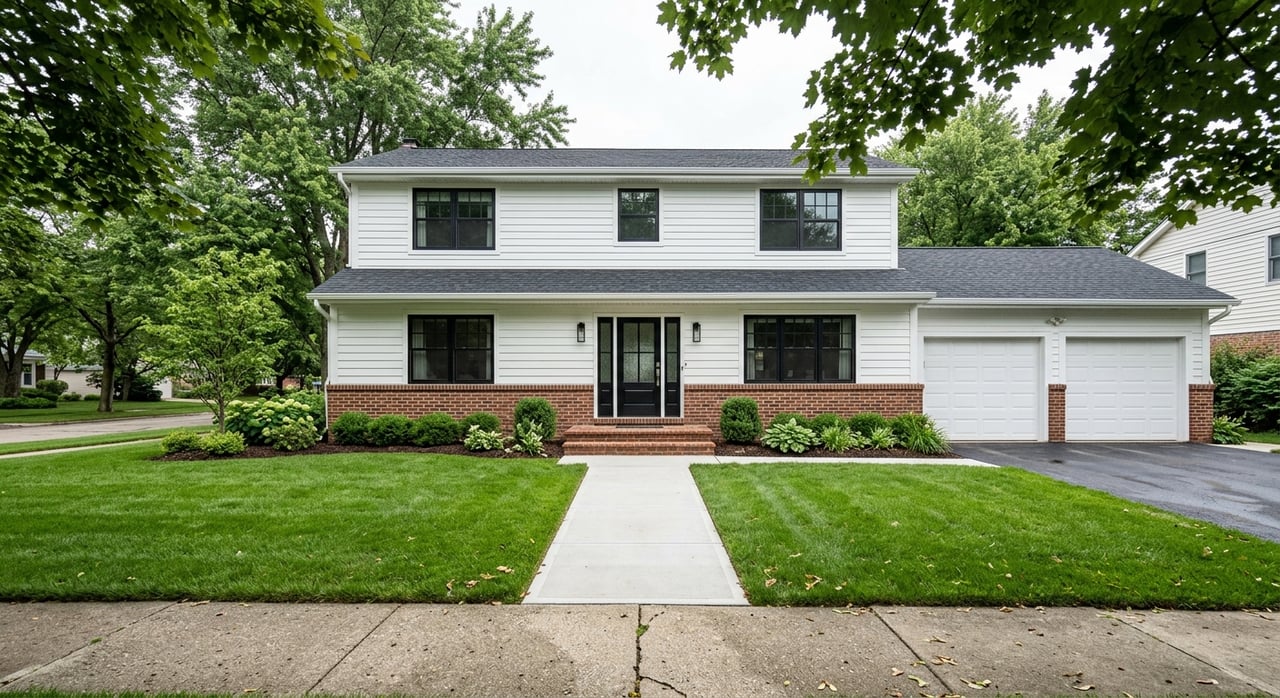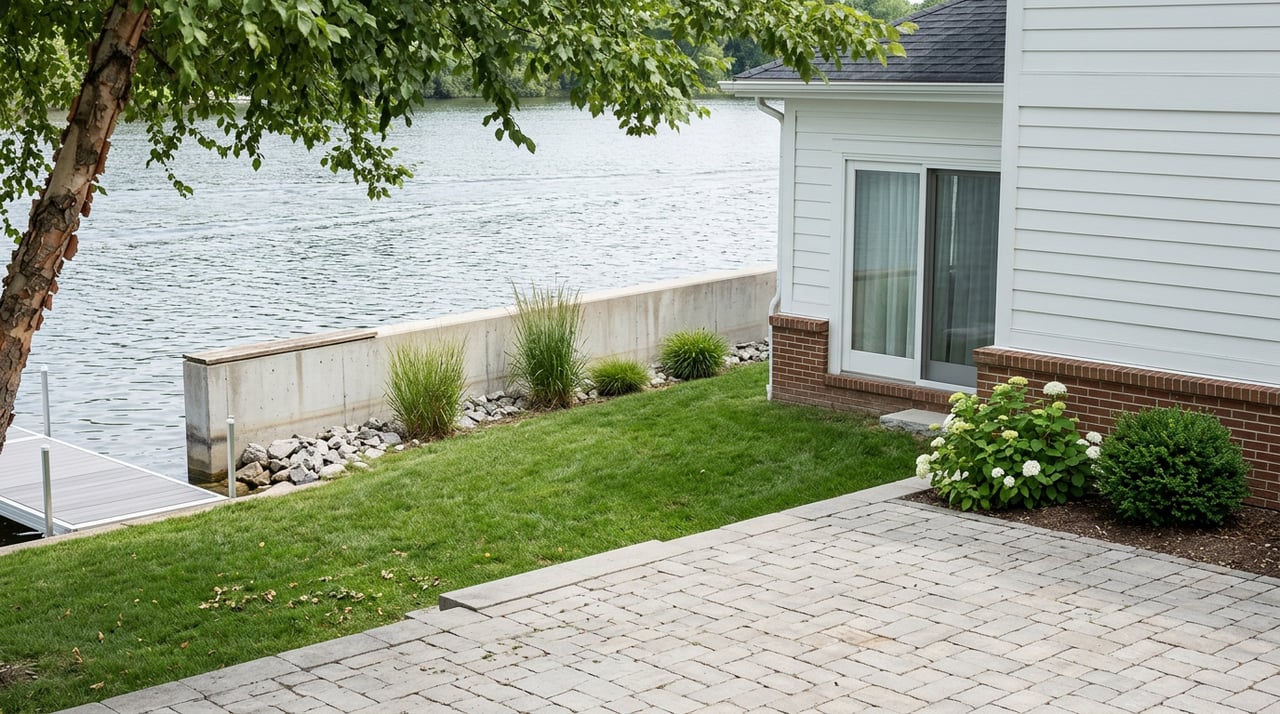
Thinking about waking up to river views and walking out to your own dock? Living on the Fox River in McHenry offers that everyday, close-to-nature lifestyle many buyers dream about. It also comes with unique responsibilities that are important to understand before you buy. In this guide, you’ll get a clear look at the costs, risks, and rewards of Fox River living in McHenry so you can move forward with confidence. Let’s dive in.
Why people love the Fox River lifestyle
The Fox River through McHenry connects you to the Chain O’Lakes, a major recreation system with seasonal boating, fishing, paddling, and scenic shoreline. The Stratton (McHenry) Lock helps maintain water levels and opens seasonally for boat passage, which shapes the local boating calendar and waterfront routines. You can check current operations and seasonal schedules through the Illinois Department of Natural Resources for the Stratton Lock and Dam.
You’ll also benefit from a community that understands how the water is used and managed. The Fox Waterway Agency posts user advisories, no‑wake restrictions, and seasonal updates that matter for property owners, especially during busy holiday weekends. If you’re considering a riverfront home, get familiar with the Fox Waterway Agency’s resources to understand how traffic and conditions shift over the season.
The real costs to budget
Waterfront can be a premium purchase, and ongoing costs are different from a non-waterfront home. Plan for these line items as you evaluate listings.
Insurance and flood-related costs
Flood insurance is a must‑evaluate expense for Fox River properties. The National Flood Insurance Program (NFIP) prices coverage based on property‑specific factors under its Risk Rating 2.0 methodology, so two homes on the same street can have very different premiums. Do not rely on a previous owner’s rate. Instead, request a current quote for the exact property and building details. NFIP remains the baseline for many buyers, and you can review basics at FloodSmart.gov. McHenry County also summarizes typical NFIP policy limits, which commonly cap building coverage around $250,000 and contents at $100,000; confirm your options with a licensed agent using county guidance on flooding and flood protection.
Docks, lifts, and seasonal care
Installing or replacing a dock can vary widely in price based on size, materials, and features. Industry compilations place many floating dock projects roughly in the $15–$40 per square foot range, with full small‑dock projects often landing in the low‑to‑mid five figures depending on complexity. For a broad starting point, review a national overview of dock costs from HomeAdvisor, then get quotes from local marine contractors who understand Fox River conditions.
Budget for lifts, electrical work, and winterization. Many owners remove seasonal components before ice‑up or use designs that can flex with freeze‑thaw and changing water levels.
Shoreline protection and seawalls
Seawall and shoreline projects range from riprap to engineered walls in timber, vinyl, steel, or concrete. Costs depend heavily on materials, site access, wake exposure, and ice history. Because design and permitting requirements are local, the only reliable way to budget is to walk the lot with a qualified shoreline contractor and discuss options.
Flood risk and how to read the maps
You’ll want to check both federal and local mapping before you write an offer. FEMA’s Flood Insurance Rate Maps (FIRMs) and the National Flood Hazard Layer set the baseline for federal rules and insurance requirements, but McHenry County also regulates additional areas and applies its own stormwater standards.
- Start by pulling the county’s Digital FIRM resources for McHenry through the Illinois Flood Maps portal.
- Then compare what you see to the county’s stormwater guidance and any local resources. McHenry County Planning & Development outlines permit thresholds and floodplain compliance on its Stormwater Management Ordinance page.
Key map terms:
- Special Flood Hazard Area (SFHA). The 1 percent annual chance flood area that drives many insurance and building requirements.
- Floodway. The area reserved to carry flood flows. New development in the floodway is tightly limited and often requires engineered mitigation.
- Base Flood Elevation (BFE). The reference water surface used for elevation and floodproofing decisions.
Practical next steps:
- Ask the seller for any Elevation Certificate. If none exists, plan to order one so your insurer can rate the building more precisely.
- Request at least two quotes for flood insurance, including an NFIP option and a private‑market alternative, each using the property’s actual data and, if available, an Elevation Certificate.
Permits and shoreline work: plan before you plan
Shoreline projects often require approvals from more than one agency. Early coordination prevents delays.
- Local and county. The City of McHenry may require building or electrical permits for dock work. McHenry County’s Water Resources group administers stormwater and floodplain compliance under the Stormwater Management Ordinance. The county also offers guidance on routine versus permitted work.
- State. The Illinois Department of Natural Resources (IDNR) reviews certain work in public waters or on public bottoms.
- Federal. The U.S. Army Corps of Engineers (Chicago District) regulates activities in navigable waters and wetlands. Many small docks can qualify under general or nationwide permits, but some projects need individual review. The Corps encourages pre‑application coordination; see the Chicago District’s Illinois regulatory page for next steps through the U.S. Army Corps of Engineers.
McHenry County’s code establishes streamlined general permits for some shoreline projects, but there are limits. For example, minor non‑commercial docks are allowed only when they meet specific length, width, and alignment criteria. Exceed those criteria and you may need a full permit. Review terms directly in the county’s stormwater code library before you assume a dock is pre‑approved.
Practical tips:
- Verify whether any existing dock or seawall appears permitted or grandfathered. Ask the seller for copies of permits and approvals.
- If you plan changes, build time into your schedule for county review and any required state or federal coordination.
- Get contractor estimates that reflect both construction and permitting costs.
Water behavior to expect: wakes, ice, and operations
Boat wakes and seasonal traffic can stress shorelines and seawalls. In busy stretches, stronger shoreline protection and no‑wake awareness are important. The Fox Waterway Agency posts current advisories that affect noise, wake frequency, and safe operation through peak season.
Winter brings different dynamics. Ice can damage docks and bulkheads, and ice‑jam flooding is a known regional hazard. The National Weather Service maintains a river‑ice spotter network to monitor conditions along the corridor; learn more through the NWS River Ice Spotter Network. Many owners either remove docks seasonally or use designs that tolerate freeze‑thaw loads.
Finally, the Stratton Lock schedule shapes boating access between the Fox River and the Chain. Check the latest operating details through IDNR’s Stratton Lock and Dam to plan your boating season and any work that depends on water levels.
Resale and disclosure: think ahead
Waterfront often commands a premium, but the size of that premium is highly local. It depends on access type, flood history, restrictions, and buyer demand at a given time. If resale value is important to you, use recent, like‑kind comps focused on dockable Fox River frontage and consider an appraisal during due diligence.
Illinois law requires sellers to disclose known flooding or leakage and whether a property is in a floodplain. That matters on the river. Review the state disclosure requirements summarized through Illinois statutes, and make sure you receive complete forms and supporting documents.
Smart buyer checklist for McHenry riverfront
Use this practical list to reduce surprises before and after you go under contract.
- Map the risk. Pull the FEMA/DFIRM layers for the address via the Illinois Flood Maps portal and compare to county stormwater guidance to identify SFHA, floodway, and any preliminary updates.
- Gather documents. Ask for any Elevation Certificate, prior flood claims, dock or seawall permits, and engineer reports. If there’s no Elevation Certificate, plan to order one.
- Get flood insurance quotes. Obtain at least one NFIP quote and one private‑market quote using the property’s data. Treat the quoted premium as a required line item.
- Verify compliance. Request copies of local or county approvals for shoreline structures. If none exist, assume you may need to bring the structure into compliance.
- Book a specialized inspection. Hire an inspector with waterfront experience to evaluate the dock, pier, bulkhead, erosion, sump systems, and electrical.
- Pre‑check permits for planned work. Confirm requirements with McHenry County Water Resources and, if in public waters, with IDNR and the Army Corps.
- Learn the boating rhythm. Review Fox Waterway advisories and talk to neighbors about seasonal traffic, no‑wake areas, and holiday patterns.
- Confirm utilities and easements. Verify whether the home is on municipal sewer or septic, and review title for shoreline or access easements.
- Ask about past events. Speak with local floodplain officials about major flood or ice‑jam history at the parcel.
- Stress test resale. If long‑term value matters, focus on like‑kind dockable comps and days on market for recent Fox River sales.
Bottom line
Living on the Fox River in McHenry can be a daily dose of nature and convenience to the Chain O’Lakes, with a boat in your backyard and sunsets over the water. To get the upside without surprises, do your homework on flood risk, insurance, shoreline condition, and permits. A thoughtful plan before you write an offer will save time and money after closing.
If you’d like help evaluating a riverfront home, coordinating quotes and permits, or comparing true apples‑to‑apples comps, reach out. With deep lake‑area experience and hands‑on transaction management, Dana Pierson-Emering can guide you through the details so you can focus on the lifestyle you want.
FAQs
What does “floodway” vs. “floodplain” mean in McHenry?
- The floodplain (SFHA) is the 1 percent annual chance flood area, while the floodway is the channel reserved to carry flood flows where development is tightly limited; check your parcel on the Illinois Flood Maps portal and review county stormwater guidance.
How much does flood insurance cost for a Fox River home?
- Premiums vary by property under NFIP Risk Rating 2.0 based on factors like distance to water, elevation, and replacement cost; get an address‑specific quote and learn program basics at FloodSmart.gov.
Do I need a permit to replace a dock on the Fox River?
- Often yes. McHenry County regulates shoreline work and sets criteria for minor non‑commercial docks; larger projects can trigger county, IDNR, and U.S. Army Corps review—start with the county’s Stormwater Management Ordinance and the U.S. Army Corps of Engineers.
How busy is boating near McHenry and does it affect property owners?
- The Fox/Chain system is active in peak season, especially around holidays; increased wakes can stress shorelines, so stronger protection and no‑wake awareness help—review advisories and rules through the Fox Waterway Agency.
How does winter ice affect docks and seawalls on the Fox River?
- Ice and ice‑jam flooding can damage structures; many owners remove seasonal components or use designs built for freeze‑thaw loads—see regional monitoring via the NWS River Ice Spotter Network.
What should I ask a seller about a McHenry riverfront home?
- Request any Elevation Certificate, flood‑claim history, and permits for docks or seawalls; confirm disclosures about known flooding and floodplain status per Illinois law summarized in the state statutes.